


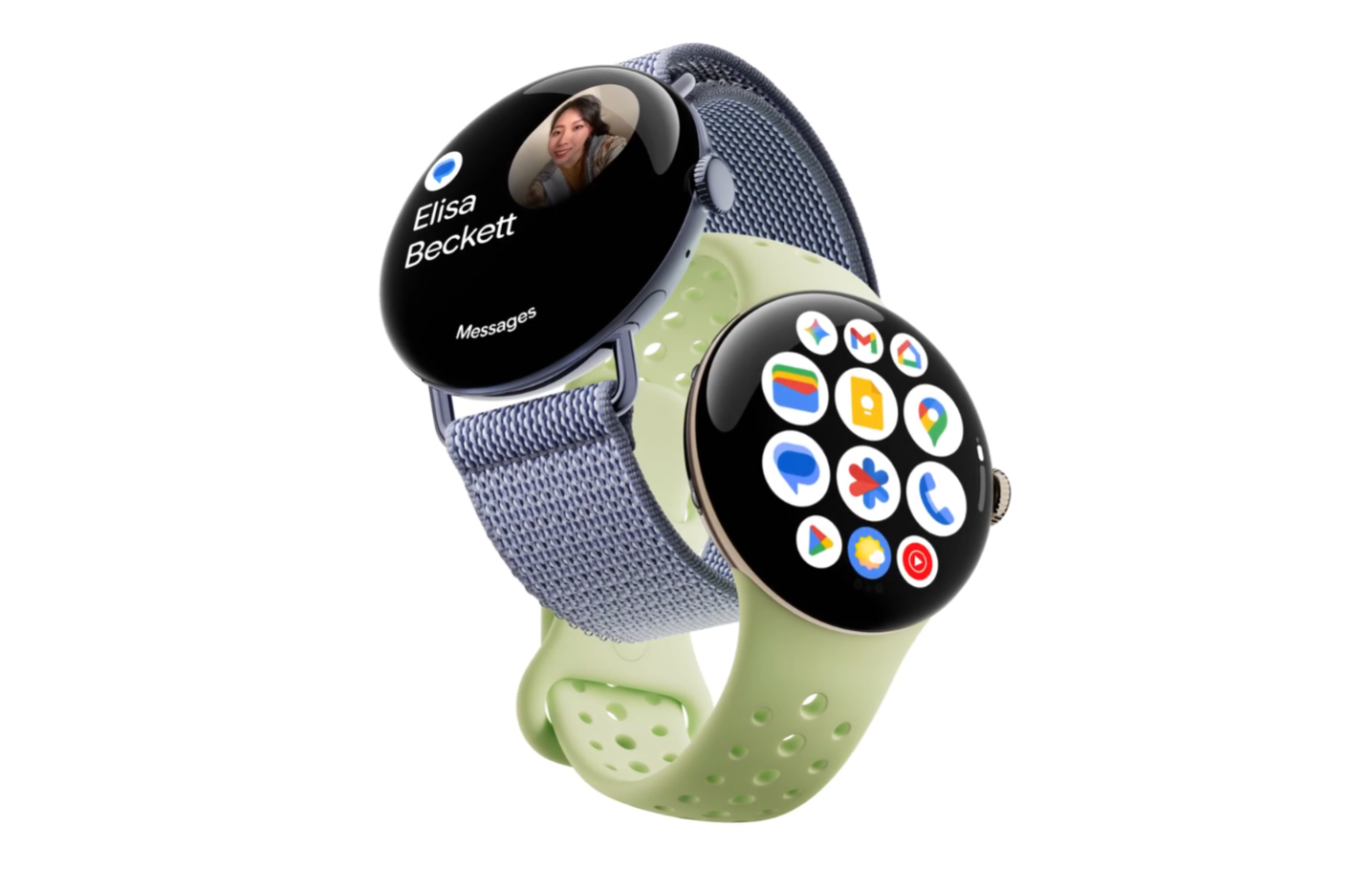
Google has quietly taken another step toward launching the Pixel Watch 5. Four new FCC filings appeared today, and while the paperwork never explicitly mentions the device by name, the combination of hardware, wireless radios, wearable classifications, and Google’s traditional model strategy leaves little doubt these certifications belong to the company’s next-generation smartwatch lineup.
The filings include four separate FCC IDs:
Looking through the documentation, the certifications appear to be split into two pairs. One model in each pair includes LTE connectivity, while the other is Wi-Fi and Bluetooth only. Just like previous Pixel Watch generations, Google appears to be preparing both LTE and Wi-Fi variants in two different case sizes for the Pixel Watch 5 lineup.
The filings themselves don’t reveal much about the watches’ appearance, but they do contain several interesting hardware details.
60 GHz Radar Returns
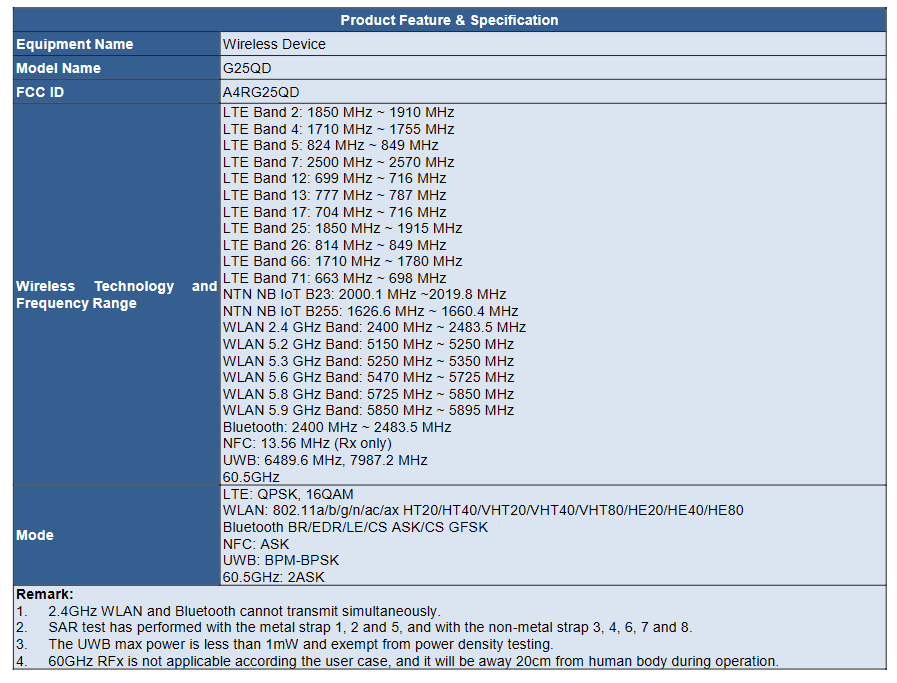
One of the more interesting additions to the Pixel Watch 5 appears to be a 60.5 GHz Field Disturbance Sensor.
If that frequency sounds familiar, it’s because Google previously used 60 GHz radar technology for Project Soli and later brought it to the Nest Hub for sleep sensing. The FCC documents don’t explain exactly how the technology will be used here, but it does suggest Google has found another use for miniature radar on a wearable.
Whether that ends up being gesture controls, improved health tracking, motion detection, or something entirely different is still anyone’s guess.
Still Plenty We Don’t Know
As interesting as these filings are, they’re still just regulatory documents. They don’t tell us anything about the processor, battery life, display, pricing, or new software features.
While these FCC filings leave plenty of questions unanswered, they do confirm that the Pixel Watch 5 lineup is moving through one of the final regulatory hurdles before launch. We’ll likely learn much more once Google officially unveils the watches later this year.
With Google’s next hardware event expected in the coming months, it probably won’t be long before we learn exactly what these four mysterious model numbers become.
