


I have a longer history with OnePlus than most brands…
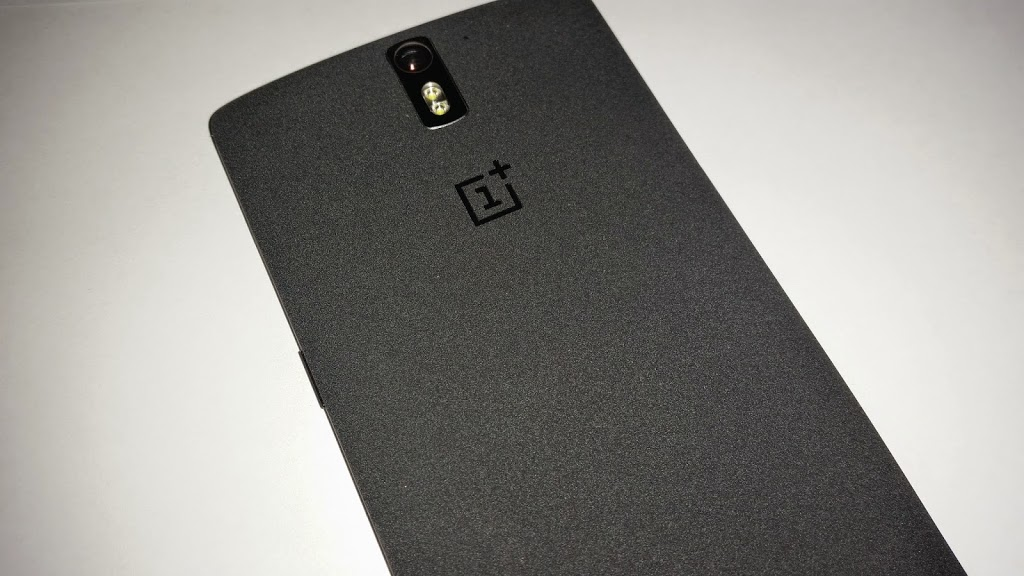
The OnePlus One was one of the first smartphones I ever reviewed, all the way back in 2014. At the time, OnePlus felt genuinely different. It was new, weird, exciting, and just annoying enough to make people want it even more. You needed an invite to buy one, the Sandstone Black finish felt unlike anything else on the market, and the entire pitch was simple: flagship-level specs without the flagship price.
That was the whole magic of OnePlus.
The OnePlus One was not just another Android phone. It felt like a statement. It was the phone that made people question why they were paying Samsung, HTC, LG, or Apple prices when this random new company could sell a Snapdragon 801 phone with 3GB of RAM and 64GB of storage for hundreds less.
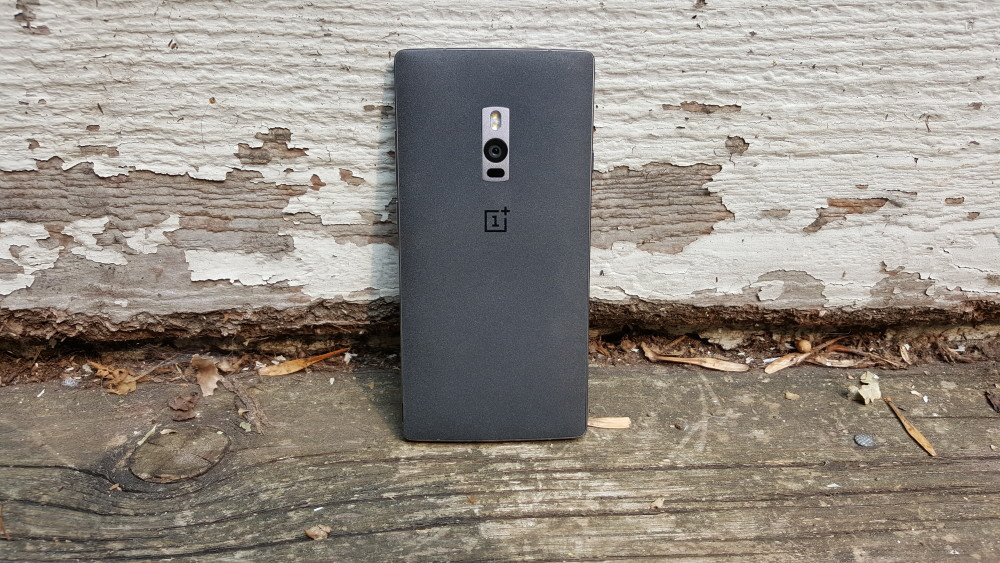
I reviewed the OnePlus 2 the following year, and even though it had its flaws, it still felt like OnePlus was building toward something. The hardware was better. The alert slider was genuinely useful. USB-C was still new enough to feel forward-looking. The software was not perfect, and the lack of NFC was a weird miss, but the brand still had an identity.
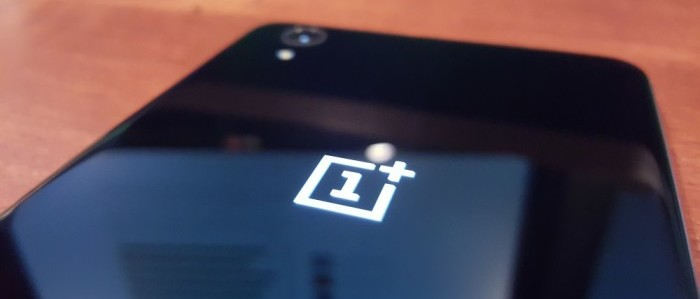
Then came the OnePlus X, which I also reviewed. That phone was not about winning a spec sheet. It was about proving OnePlus could make something stylish, compact, and surprisingly premium for the price. It had a glass-and-metal build, a great display, and a form factor that felt different from the oversized flagship race happening around it.
That era of OnePlus was fun.
I did not just review OnePlus phones from the outside either. I owned the OnePlus 3T. I owned the OnePlus 7 Pro, which still has one of my favorite smartphone designs ever thanks to its uninterrupted display and pop-up selfie camera. I owned the OnePlus 8T too, even writing about how the T-Mobile variant somehow shipped without Always-On Display despite the feature being one of the more anticipated parts of OxygenOS 11.
So when people talk about OnePlus dying, I do not look at it as someone who never cared about the brand.
I cared a lot.
That is what makes the current state of OnePlus so strange. The company still makes good phones, but the brand does not feel like the same OnePlus anymore. The “Never Settle” energy has faded. The enthusiast edge is mostly gone. OxygenOS no longer feels like the clean, lightweight alternative it once was. And whether fair or not, OnePlus now feels less like a scrappy challenger and more like a familiar extension of OPPO.
At some point, it is fair to ask the obvious question: if OnePlus has already become so closely tied to OPPO, why not just bring OPPO to the United States instead?
Honestly, I would be all for it.
If OnePlus has to be sacrificed so OPPO can make a serious U.S. push, I think I could live with that. Not because I hate OnePlus, but because I think the version of OnePlus I loved has already been gone for a while.
What I want now is something exciting again.
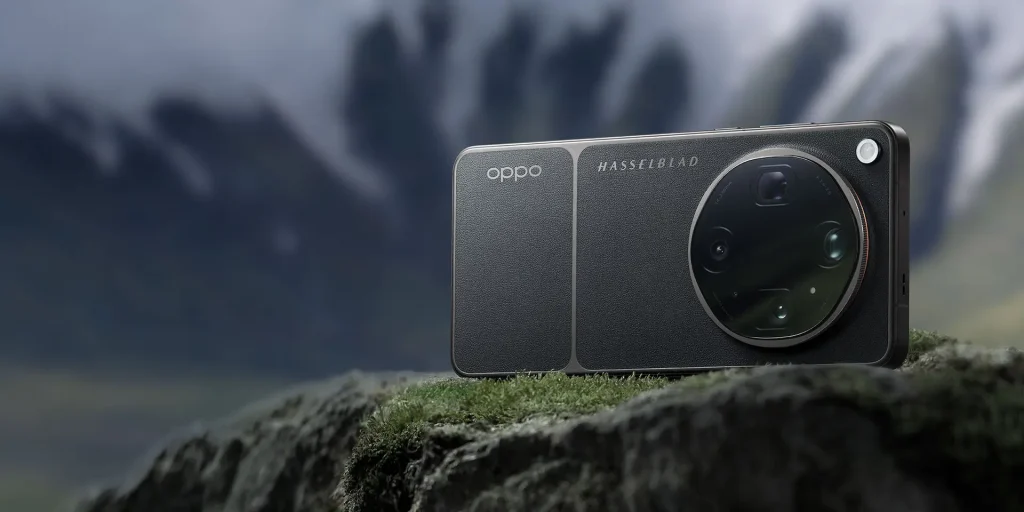
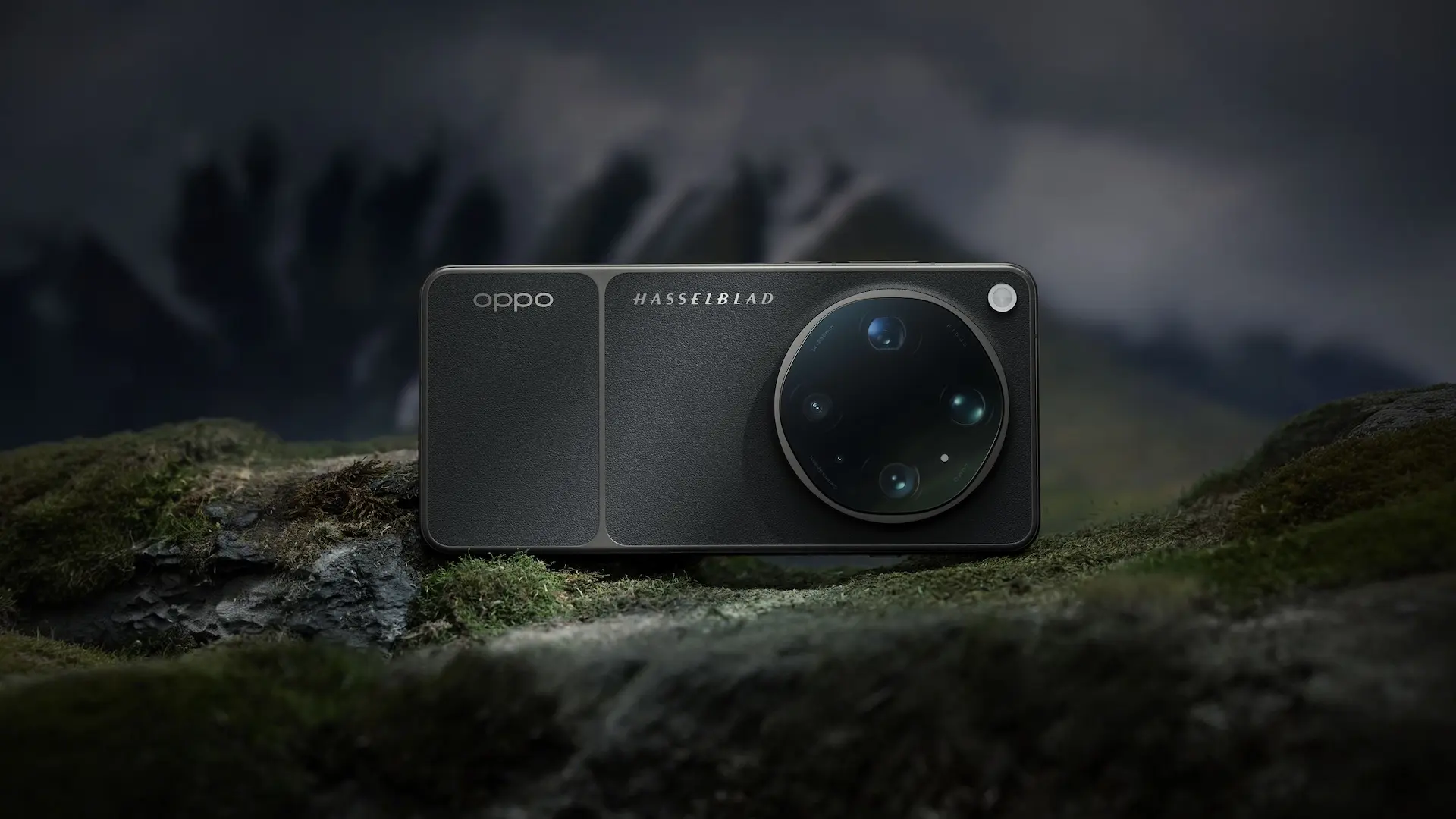
That is where OPPO’s Find lineup comes in. The Find series has consistently been one of the most interesting Android flagship lines in the world, especially from a hardware perspective. OPPO is not afraid to push camera hardware, charging speeds, design, and display technology in ways that often feel more aggressive than what we get from mainstream U.S. Android phones.
That is why the Find X9 Ultra already has my attention.
I want to try that phone. I want to see what OPPO’s best camera hardware looks like outside of spec sheets, leaks, and international coverage. I want to see how it compares to Samsung, Google, and Apple. More importantly, I want U.S. buyers to have access to Android phones that feel meaningfully different from the usual choices.
Right now, the U.S. phone market is predictable.
Apple dominates. Samsung dominates Android. Google has carved out its Pixel lane. Motorola hangs around the budget and midrange space. OnePlus still exists, but it no longer feels like the disruptive force it was in 2014, 2015, or even during the OnePlus 7 Pro era.
OPPO could bring something different.
Of course, that would not be easy. The U.S. market is brutal. Carrier support matters. Retail presence matters. Brand recognition matters. Politics matter. And OPPO would not instantly walk in and become a major player just because Android enthusiasts like the Find lineup.
But I would rather see OPPO try than watch OnePlus continue as a watered-down version of what it used to be.
That is the real issue for me. I do not want OnePlus to die. I want the old OnePlus back. I want the brand that made Android feel fun, aggressive, and a little rebellious. I want the company that made the OnePlus One, the OnePlus X, and the OnePlus 7 Pro.
But if that version of OnePlus is gone, then maybe it is time to stop pretending.
Maybe OnePlus already did its job. It introduced a lot of Western buyers to a different kind of Android phone. It gave OPPO and BBK a more approachable brand for markets where OPPO itself did not have the same recognition. It built an enthusiast following that most phone startups could only dream of.
Now, maybe the better move is to let OPPO step out from behind the curtain.
Bring the Find lineup to the United States. Bring the Ultra phones. Bring the foldables. Bring the weird, aggressive, camera-heavy Android hardware that U.S. buyers rarely get to touch without importing.
I loved OnePlus.
But if the choice is between keeping today’s OnePlus around or finally getting OPPO’s best phones in the United States, I know which one sounds more exciting.
